
The Crichton Royal Institution archive in Dumfries, Scotland, was officially added to the UNESCO Memory of the World Register on 9 June 2026. This prestigious honour recognises the archive’s internationally significant records of pioneering 19th-century mental health care, creativity, and patient experiences.
The designation was warmly welcomed by The Crichton Trust, NHS Dumfries and Galloway, and Dumfries and Galloway Council. It places the collection alongside other UK treasures such as the Magna Carta and Winston Churchill’s papers.
Pioneering Mental Health Records
Founded in 1838 by Elizabeth Crichton, the Crichton Royal Institution was a groundbreaking psychiatric hospital known for its compassionate and creative approach to mental health care. The archive highlights the lived experiences of patients and staff, showcasing how treatment focused on dignity and innovation during Victorian times.
Exceptional Archive Highlights
New Moon Magazine: One of the world’s earliest and longest-running asylum magazines, written and printed by patients from 1844 onwards, offering a platform for honest patient expression.
Dr Easterbrook’s Scrapbook: Contains over 600 items from the hospital’s early years, including patient artworks, event programmes, and records of the first completely patient-led play in an asylum, Raising the Wind (1843).
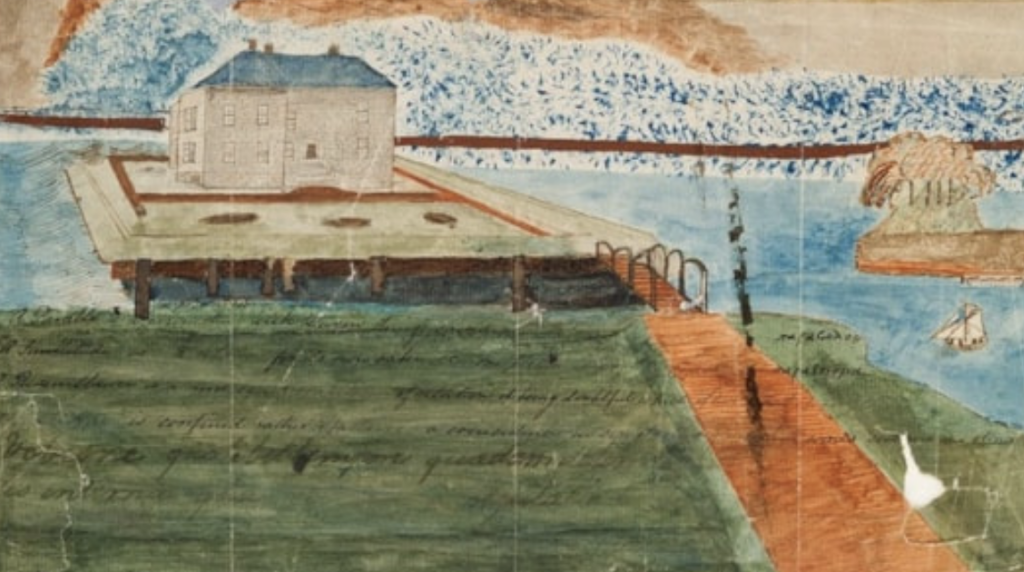
Early Patient Artwork: Creative responses by patients from 1843 to 1867, many linked with casebooks and reports, illustrating the role of art in mental health recovery.
Global Recognition And Local Pride
The archive’s inscription on the UNESCO register marks it as a cornerstone of global psychiatric history. NHS Dumfries and Galloway owns the archive, while Dumfries and Galloway Council’s Heritage Service manages its care.
Councillor Stephen Thompson praised the designation as a significant achievement for the region, highlighting the importance of storytelling and creativity in understanding mental health.
Expert Endorsements
Medical and academic experts have hailed the archive’s importance. Dr David Hall, former lead psychiatrist at Crichton Royal, called it an “unequalled insight into the development of groundbreaking psychiatric practices.” Dr Maureen Park described it as a “complete and meticulously detailed record of asylum life,” while Dr Rosemary Golding noted its vital role in tracing the incorporation of arts in nineteenth-century psychiatric care.
Jennifer Challinor, Head of Research and Development at The Crichton Trust, said: “We are honoured to have the Crichton Royal Institution’s archive recognised on the Memory of the World Register. This international recognition underlines our institution’s unique heritage and role in shaping mental health care globally.”
The UK Memory of the World Committee praised the archive’s documentation of early mental health care and its representation of often overlooked patient demographics, including women and less wealthy individuals. This recognition ensures the Crichton Royal Institution’s legacy is preserved and accessible for future generations.
Originally published by UKNIP.