
The UK’s record-breaking heatwave, which sent temperatures soaring to 40C and caused widespread disruption across schools and transport, is set to end this Sunday. The Met Office warns of a sharp 15C temperature drop as a westerly weather pattern moves in, bringing relief after days of extreme heat across England, Wales, and beyond.
Heat Peaks Thursday
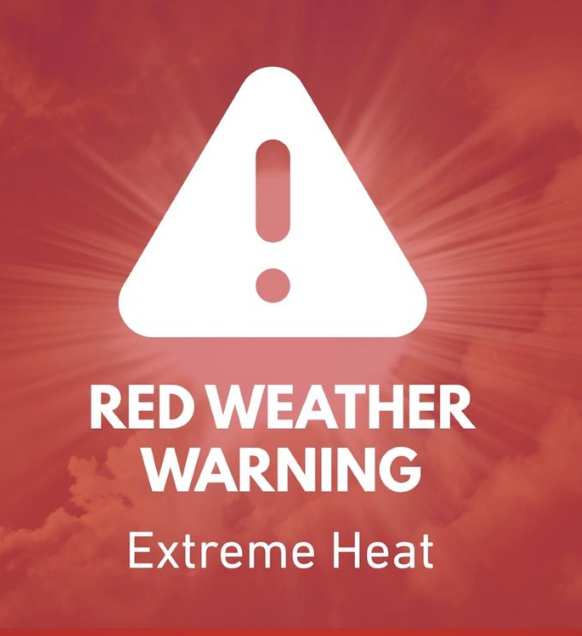
Thursday is expected to see the highest temperatures, with certain parts of England reaching 40C and large areas experiencing highs above 37C. A rare red heat warning covers a vast stretch from London to Birmingham and Swansea until midnight, while an amber warning extends through to 9pm Saturday for areas still facing oppressive heat. The southeast will hold onto warmer conditions the longest, with highs near 32C on Saturday.
Record-breaking Temperatures
The heatwave shattered UK June temperature records on Wednesday, surpassing the 35.6C marks set in 1976 and 1957, the Met Office confirmed. Night-time temperatures remained unusually high, failing to fall below 20C in urban areas, creating “tropical nights” that disrupted sleep and increased health risks for vulnerable groups.
Heat Dome Causes Surge
The extreme temperatures stem from a “heat dome” of high pressure over western Europe, funnelling hot Saharan air into the UK. The Met Office cautions that warnings may be updated as forecasts evolve but confirmed that a significant change is expected from Sunday.
Sharp Temperature Drop Sunday
From Sunday onwards, cooler westerly winds will bring a dramatic fall in temperatures. Cities like Cardiff will cool to around 20C, while London is set to reach just 26C, marking a 15C drop from Thursday’s peak. The Met Office predicts a return to typical seasonal temperatures next week, accompanied by mixed rain and winds, particularly in the North West.
Aftermath And Relief
For millions affected by heat-related travel disruptions, school closures, and health alerts, this temperature plunge will provide much-needed relief after one of the hottest periods on record in UK history.
Originally published by UKNIP.