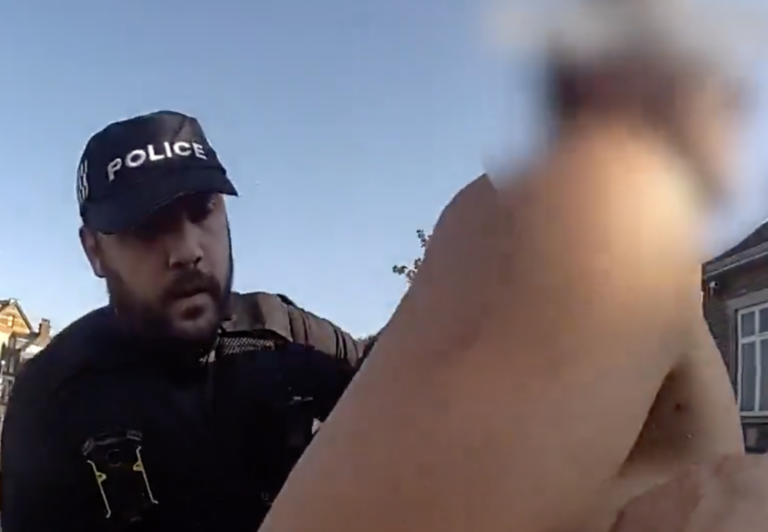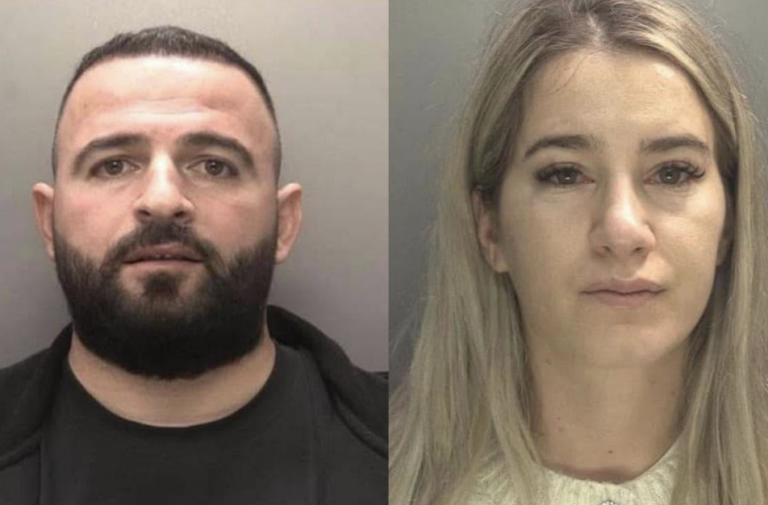

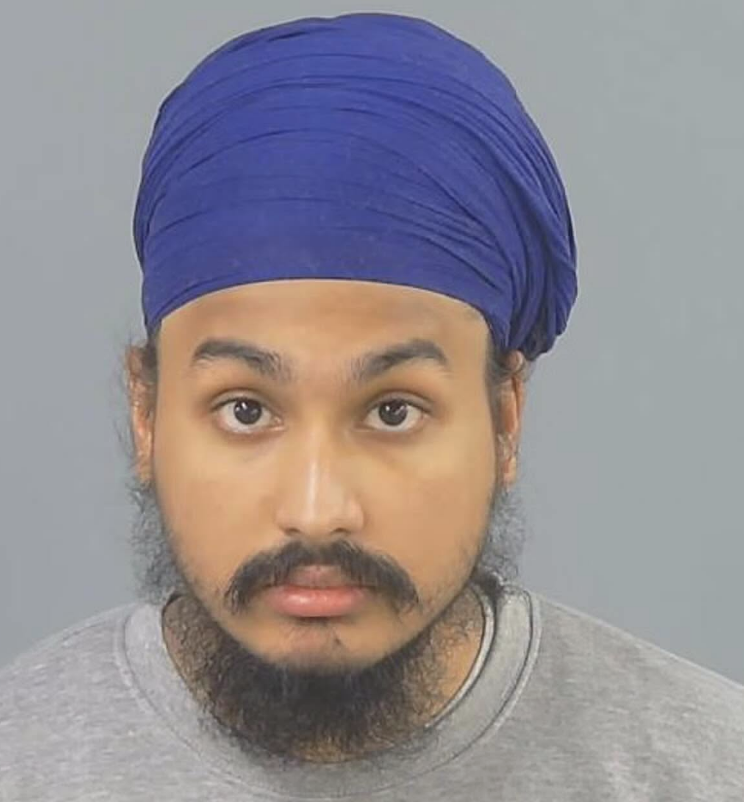
Newly released police body-worn camera footage exposes the false claims made by Vickrum Digwa on the night he fatally stabbed 18-year-old Southampton University student Henry Nowak in December 2025. Hampshire Police and the Crown Prosecution Service released the video, revealing that Digwa lied repeatedly about the events and his actions while Henry lay critically injured.
False Claims Uncovered
In the footage, Digwa insists he was racially attacked and that Henry was drunk—both statements were disproved during the trial. He falsely claimed self-defence, alleging Henry grabbed his turban and assaulted him, yet photos showed Digwa’s hair was intact before police arrived. Prosecutors called these fabrications clear evidence of dishonesty from the start.
Police Treatment Criticised
The video also supports the Nowak family’s claim that Digwa was never handcuffed, while Henry was restrained despite being critically injured. Henry’s father described this disparity as “unbearable,” highlighting concerns over Hampshire Police’s handling of the case.
Delay In Detecting Fatal Wound
Officers initially doubted Henry’s claim he had been stabbed, partly because Digwa never admitted to the stabbing, resulting in an eight-minute delay in locating the fatal chest injury. Henry was pronounced dead at 00:37 on 4 December 2025 after resuscitation attempts.
Legal And Official Response
Digwa, sentenced to life imprisonment with a minimum of 21 years, had his sentence referred to the Court of Appeal by the Attorney General for being potentially unduly lenient. Hampshire Police issued an apology to Henry’s family, and the Independent Office for Police Conduct is investigating the police’s actions. A full inquest into Henry’s death will be held in Winchester next year.
Remembering Henry Nowak
At sentencing, Judge William Mousley KC described Henry as a “much-loved, kind, hard-working and ambitious young man” and emphatically dismissed Digwa’s claims of racial abuse against Henry, calling them “completely at odds with his previous character.”
Originally published by UKNIP.