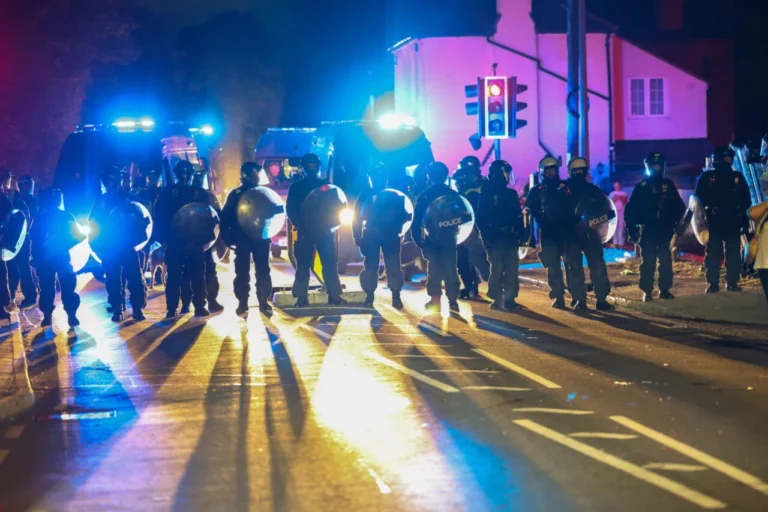

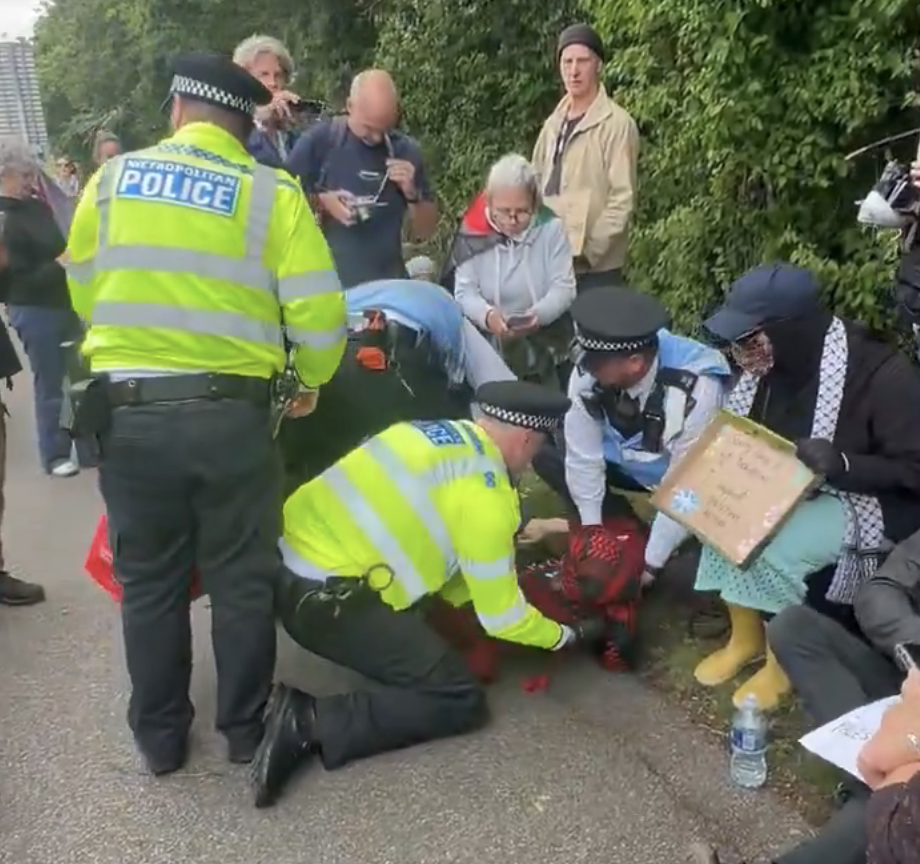
More than 70 protesters were arrested by Metropolitan Police outside Woolwich Crown Court on Friday during a demonstration ahead of the sentencing of four Palestine Action members. The group, convicted of criminal damage following a raid on the Elbit Systems UK factory near Bristol, gathered with around 500 supporters as the court prepared to sentence the defendants for their actions against an Israeli arms manufacturer.
Mass Arrests At Woolwich
The Metropolitan Police confirmed 72 people were detained on suspicion of supporting a proscribed terrorist organisation linked to Palestine Action. All remain in custody after the large protest outside the court building in London. The arrests marked one of the biggest law enforcement responses at a protest related to this politically charged case.
Convicted Activists Facing Sentencing
Charlotte Head, 23, Samuel Corner, 30, Leona Kamio, 30, and Fatema Rajwani, 21, were convicted on 5 May for their roles in a raid on 6 August 2024. They had driven a former prison van into the Elbit Systems factory and caused around £1 million in damage to equipment, including damaging Israeli quadcopter drones.
Violence Against a Police Officer
Samuel Corner was also found guilty of causing grievous bodily harm to Police Sergeant Kate Evans, who suffered a fractured spine during the incident. Sgt Evans required spinal surgery and months off work, with lasting back pain. Avon and Somerset Police Federation condemned the attack, calling it “violent and deliberate thuggery.”
Historic Protest Sentencing
This sentencing is viewed as a key moment in UK protest law. The government proscribed Palestine Action as a terrorist organisation in July 2025, citing the raid as justification. If sentenced under terrorism legislation, these activists could become the first in Britain to face such charges for protest-related offences.
Legal Challenges And Campaign Reactions
The proscription has been legally challenged and ruled unlawful by the High Court but remains in force pending appeal. Campaign groups have accused the judge of bias and raised concerns about elements of the sentencing process being withheld from the public and jury. The case continues to divide opinion between those defending protest rights and critics highlighting serious violence and criminal damage.
Originally published by UKNIP.