

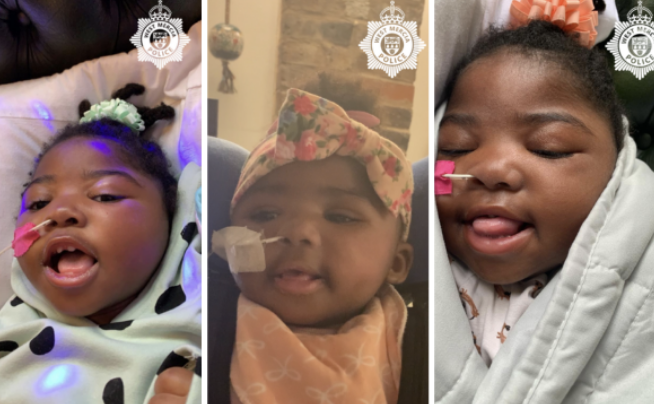
Sarah Ngaba, 32, has been found guilty of murdering her seven-week-old daughter Eliza, after fracturing the baby’s skull in Birmingham in 2019. The jury at Birmingham Crown Court returned a majority verdict of 10 to 2 after over nine hours of deliberation.
Eliza died in 2022 from a respiratory infection made more severe by her earlier injuries. Ngaba is already serving a 14-year sentence for the assault.
Life-changing Injuries
The court heard Eliza’s injuries resulted from forceful shaking combined with a significant head impact on 13 November 2019, causing a complex skull fracture. Despite advice from a witness to seek urgent medical care, Ngaba delayed hospital treatment, taking a bath and buying a lottery ticket before finally travelling to A&E by taxi more than an hour later.
Medical staff noted Ngaba appeared detached and more focused on housing concerns than her daughter’s condition.
Court Details Impact
Prosecutor Jonas Hankin highlighted Ngaba’s calm demeanour during the taxi ride and hospital visit, describing it as inconsistent with someone responding to an acute mental disturbance. Instead, the behaviour suggested a troubling lack of urgency and prioritisation of Eliza’s welfare.
Ngaba admitted causing the head injuries but denied murder, pleading guilty to an alternative lesser charge of infanticide during the trial.
Tragic Consequences
Eliza’s death in August 2022 was ruled as caused by a respiratory infection against the backdrop of her injury-related vulnerability. Detective Chief Inspector Lee Holehouse described the case as “utterly tragic,” stressing the devastating impact of the violence on a child who should have been protected.
The judge confirmed Ngaba will face a mandatory life sentence upon sentencing scheduled for 12 June.
Family Tribute
Eliza’s family paid an emotional tribute: “Our time with Eliza was too short and our hearts are broken. We are privileged to be Eliza’s family. We love her dearly and miss her terribly every day.”
The judge also commended Eliza’s foster parents for their “quiet dignity” and the great care shown throughout the trial process.
Originally published by UKNIP.